
The UCLouvain team (N. Attygalle, N. Latreche, A. Sahraoui, N. Szelagowski, G. Van Issum, J. Vanderdonckt) presented some SYMBIOTIK demonstrations during the Printemps des Sciences 2026, a vibrant event dedicated to sharing science with the general public. This year was particularly special because it was its 25th anniversary. The event was held in March 23–29 in Louvain-la-Neuve, Belgium, in collaboration with ScienceInfuse.
Our demonstrations attracted the interest of pupils and students from primary and secondary schools, colleges, institutes, and the general public in an engaging and interactive environment. Participants were invited to experience the adaptive visualization dashboard developed within the SYMBIOTIK project, offering a hands-on opportunity to explore how the system can dynamically adjust its interface to users’ needs in real time. Participants were invited to directly interact with the adaptive dashboard, enabling them to observe how the system modifies its behavior and visual output according to the user’s cognitive state. This shift from static to adaptive interfaces sparked curiosity and trigger discussions about the project’s objectives and underlying mechanisms. Visitors were particularly interested in understanding how adaptive systems like SYMBIOTIK work.
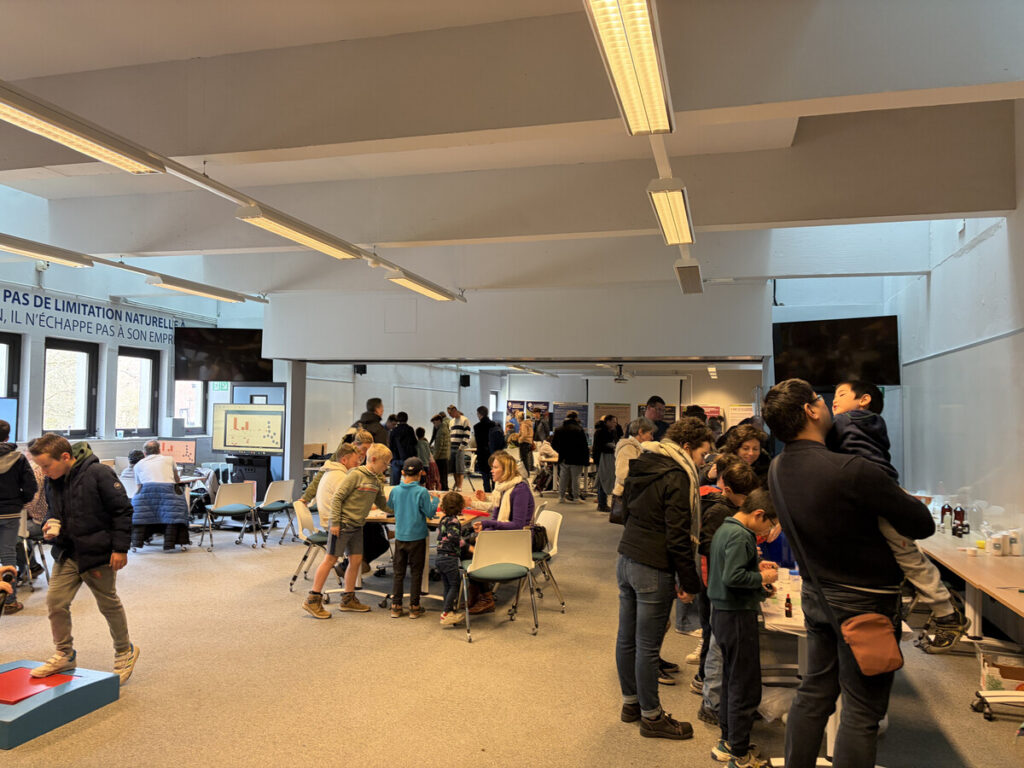
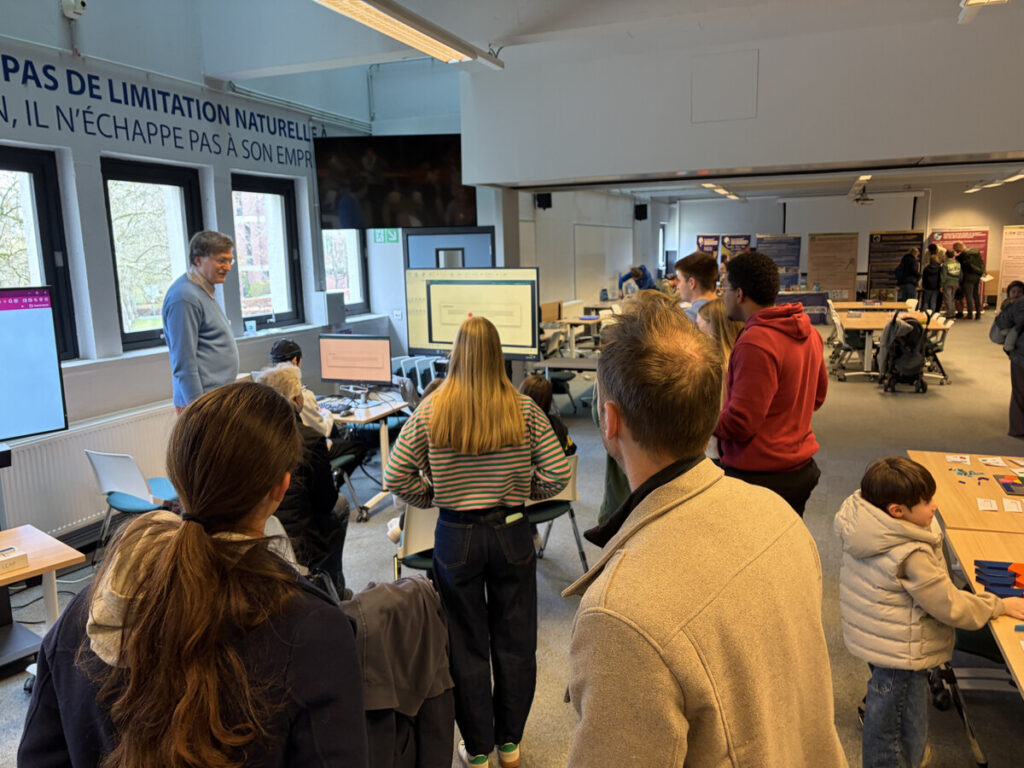
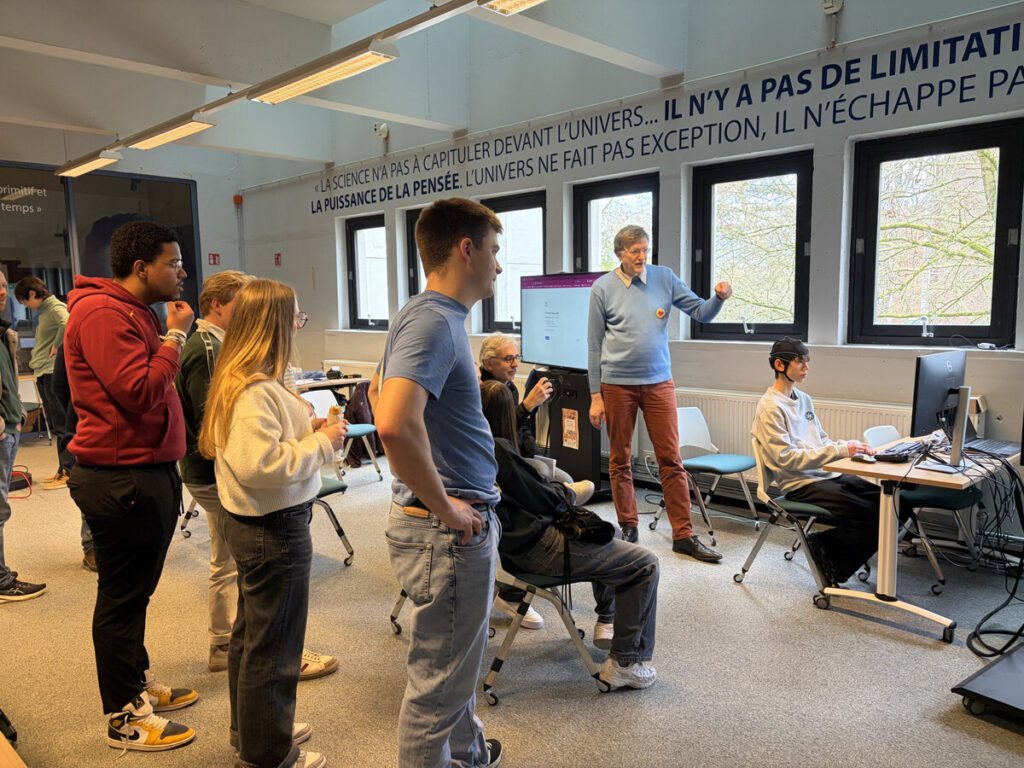
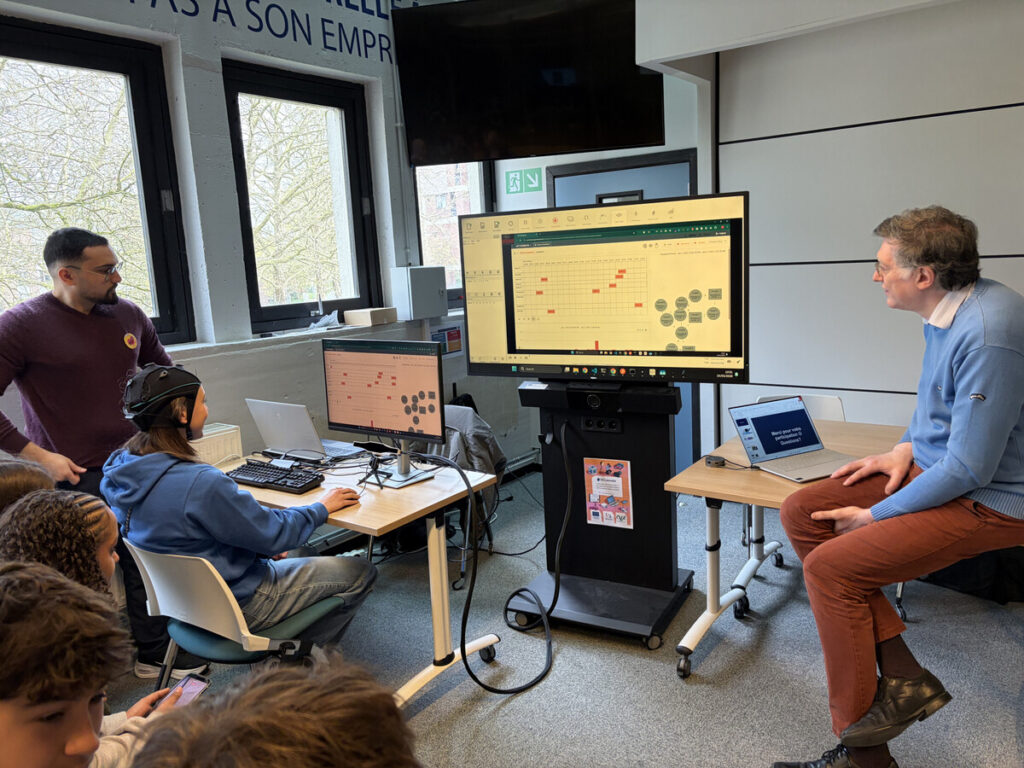
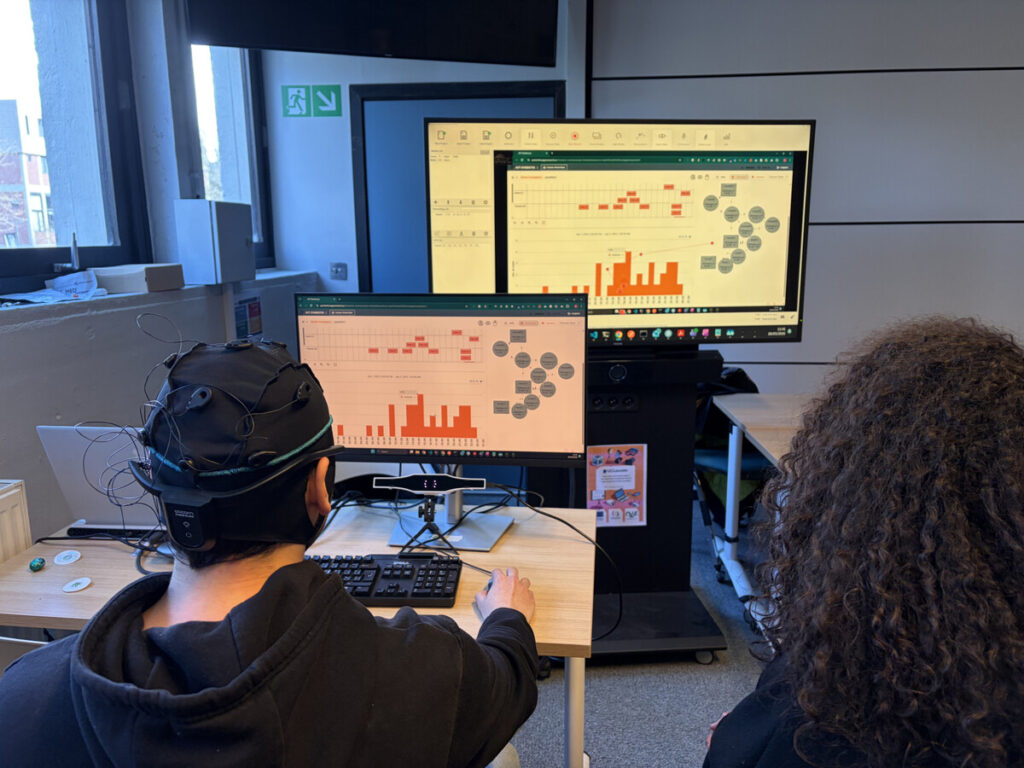
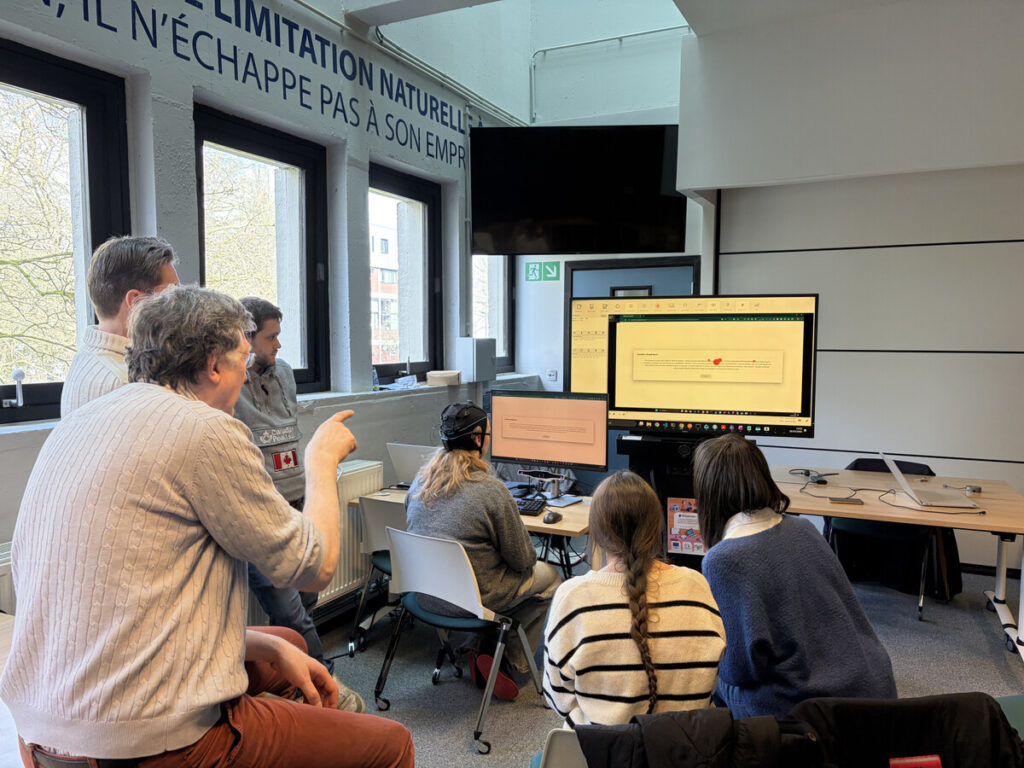
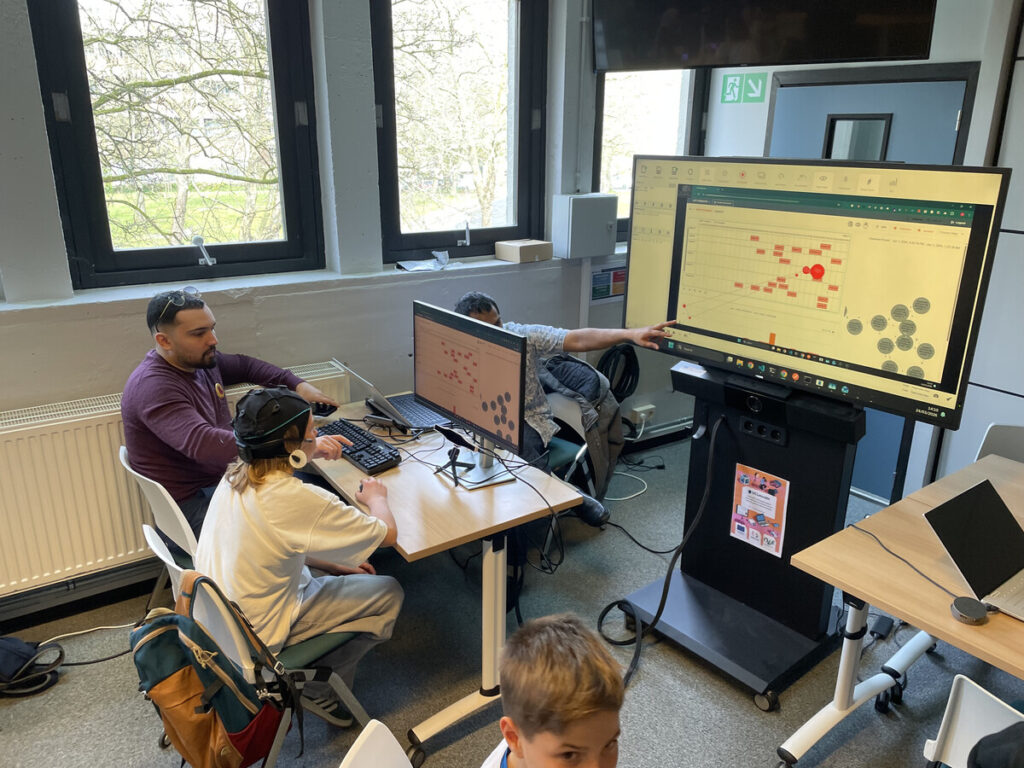
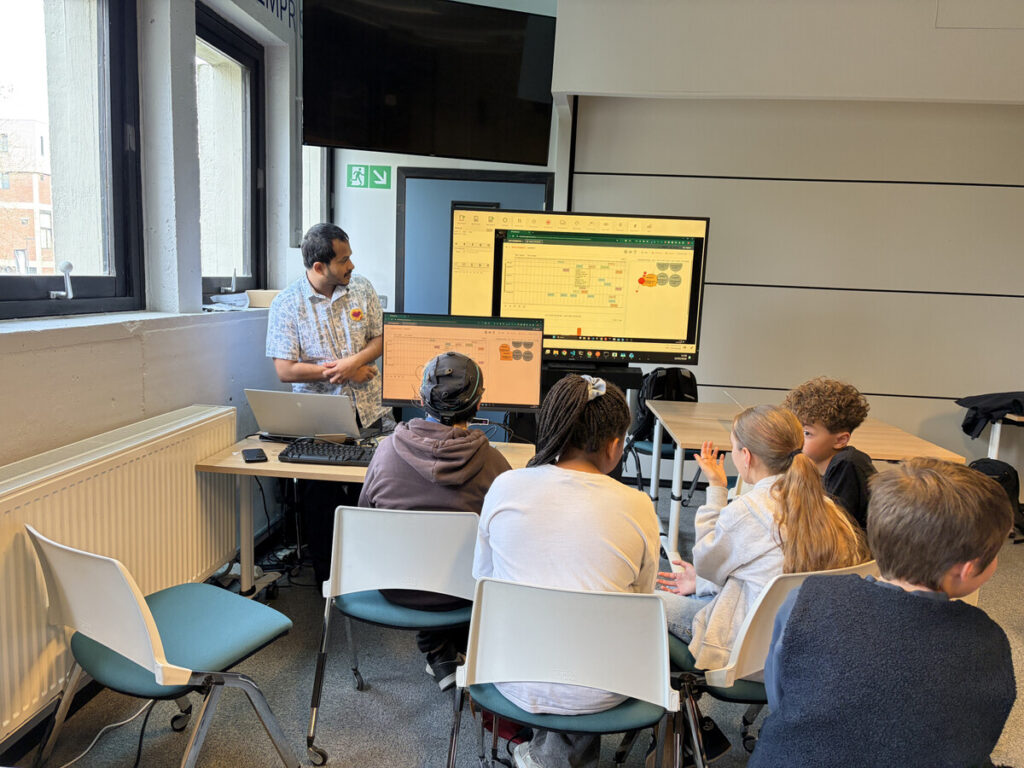
A key highlight of the event was the diversity of participants: children, pupils, students, teenagers, and adults coming from many different countries and backgrounds, each bringing their own perspective to the experience. Overall, we attended more than 110 participants throughout the whole week of the Printemps des Sciences. Without prior instruction, many participants quickly engaged with the system, experimenting with the dashboard and reflecting on how interfaces could better respond to their needs. These spontaneous interactions provided valuable insights into how people perceive and expect adaptive systems to behave.
Overall, participation in Printemps des Sciences 2026 was a noteworthy dissemination activity and an opportunity to showcase our work, which also allowed us to gather meaningful feedback from a broad audience.